
Modern vs Traditional Tzedakah Boxes: Materials, Design, Giving Impact
Posted by My Charity Boxes Team on 23rd Jan 2026

Introduction
Choosing a tzedakah box often feels like choosing between two worlds.
One world values heritage, continuity, and symbolism.
The other values clarity, design, and modern living.
This tension is common in Jewish homes, synagogues, offices, and schools. Many people ask the same question:
Should a tzedakah box look traditional, or should it reflect contemporary design?
The answer is reassuring.
Both styles are valid.
Both support the same mitzvah.
The right tzedakah box style is the one that fits your space, habits, and values. In fact, many families and organizations choose more than one box for different settings.
This guide compares modern tzedakah boxes and traditional tzedakah boxes in detail. We’ll explore materials, aesthetics, durability, and how design subtly influences giving behavior — helping you choose with clarity and confidence.
What Defines a Traditional Tzedakah Box?
A traditional tzedakah box is rooted in history and ritual continuity. These boxes echo designs that have existed for generations and often feel familiar even at first glance.
Common characteristics include:
-
Materials such as wood, metal, or ceramic
-
Engraved Hebrew words like tzedakah or mitzvah
-
Jewish symbols or classic decorative motifs
-
Solid, heirloom-style construction
A wooden tzedakah box often conveys warmth and craftsmanship. It feels personal and domestic, making it popular for homes and study rooms.
A metal tzedakah box, sometimes silver-tone, signals dignity and permanence. These are commonly associated with synagogue use and communal responsibility.
Traditional designs often emphasize meaning over visibility. Even when closed or opaque, they remind users of intention and obligation.
For readers who want deeper background on the spiritual role of these boxes, this explanation of what a tzedakah box represents in Jewish life provides helpful context.
What Defines a Modern Tzedakah Box?
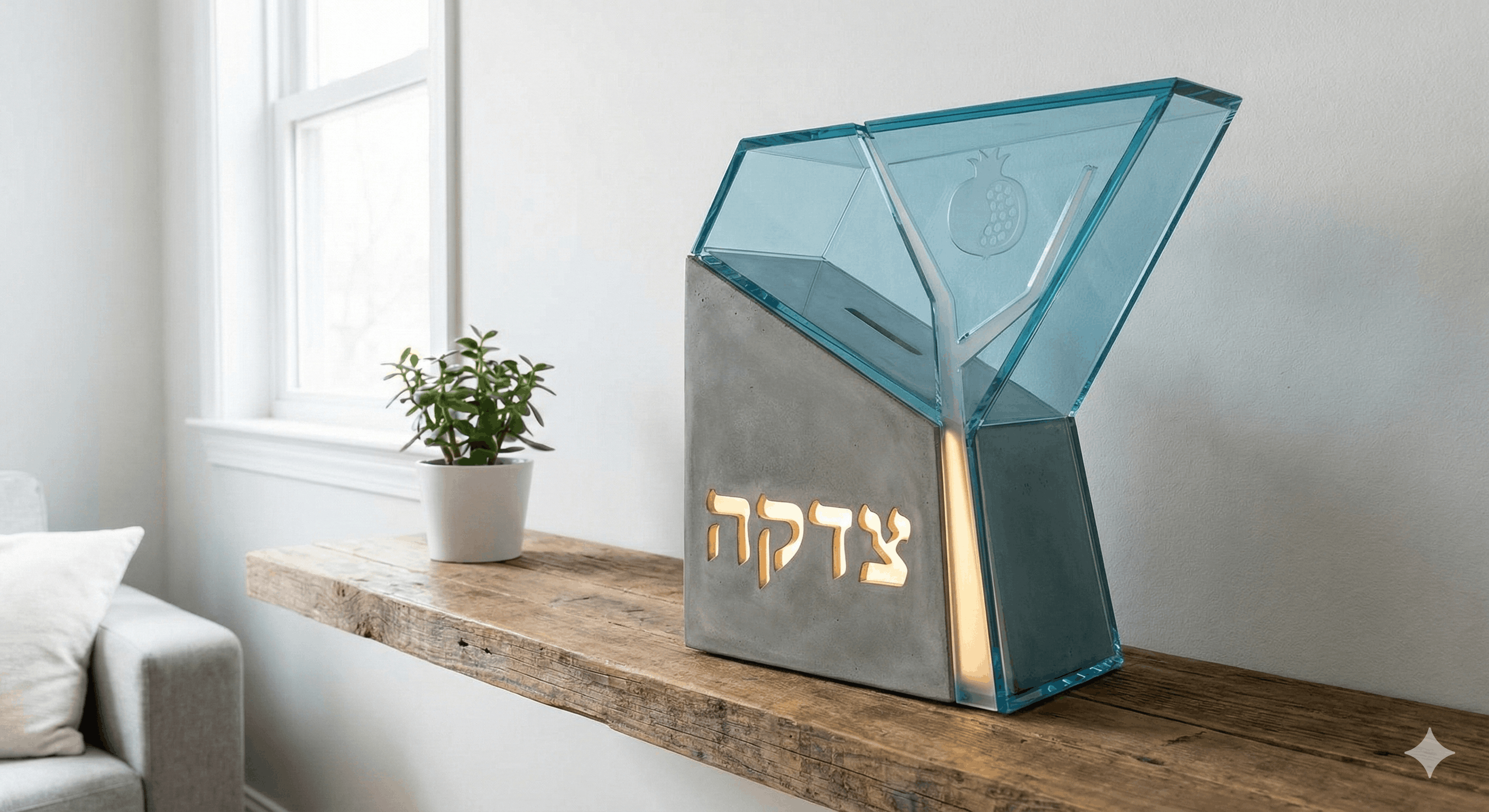
A modern tzedakah box reflects contemporary design sensibilities while honoring the same Jewish values. These boxes are designed to integrate naturally into today’s living and working spaces.
Common characteristics include:
-
Acrylic or lucite construction
-
Clean lines and minimalist forms
-
Transparent or semi-transparent walls
-
Neutral, understated color palettes
An acrylic tzedakah box or lucite tzedakah box allows donors to see contributions accumulate. This visual feedback often encourages more frequent giving, especially in shared spaces.
Modern boxes feel light and adaptable. They fit comfortably on desks, shelves, counters, and shared surfaces without dominating the environment.
Material Comparison: Pros & Cons

Material choice affects appearance, maintenance, durability, and psychological impact. Each option serves different needs.
Wood
Pros:
-
Warm, traditional appearance
-
Strong emotional connection to heritage
-
Natural, handcrafted feel
Cons:
-
Requires careful maintenance
-
Less resistant to moisture and heavy handling
-
Not ideal for high-traffic environments
A wooden tzedakah box works best in private homes or quiet offices where it can be appreciated without heavy wear.
Metal / Silver-Tone
Pros:
-
Highly durable
-
Secure and tamper-resistant
-
Long lifespan
-
Strong association with communal use
Cons:
-
Heavier than other materials
-
Less transparent
-
Can feel formal in casual spaces
Metal boxes are often chosen for synagogues and institutions where durability and trust are essential.
Acrylic / Lucite
Pros:
-
Lightweight yet strong
-
Highly visible
-
Easy to clean and maintain
-
Suitable for daily use
Cons:
-
Less traditional appearance
-
May show fingerprints if not cleaned
Acrylic boxes are popular in homes, schools, and offices where visibility encourages participation.
Visibility vs. Symbolism: How Design Affects Giving
Design influences behavior, even in religious practice.
Transparent boxes encourage frequency.
When people see coins already inside, they are reminded to give. Visibility reinforces habit formation and shared participation.
Symbolic designs reinforce intention.
Traditional boxes with Hebrew text or sacred motifs emphasize meaning and mindfulness, even if giving happens less often.
Neither approach is superior.
They support different aspects of the same mitzvah.
Many households choose visibility for everyday giving and symbolism for ritual or designated spaces.
Durability & Maintenance Considerations
Durability becomes more important as usage increases.
High-traffic environments benefit from metal or thick acrylic. These materials resist wear and require minimal upkeep.
Lower-traffic spaces, such as private homes, can accommodate wood or ceramic designs with proper care.
Maintenance also matters:
-
Acrylic wipes clean easily
-
Metal resists staining
-
Wood requires gentler handling
Selecting the right material ensures the box remains inviting and dignified over time.
Which Style Works Best by Setting?
Different environments call for different design priorities.
Homes
Many homes balance tradition and modern aesthetics.
Some families use traditional boxes in ritual areas and modern boxes in shared living spaces.
Offices
Offices often favor clean, discreet designs.
A contemporary tzedakah box blends into professional settings without drawing unwanted attention.
Synagogues
Synagogues typically prioritize symbolism, durability, and security.
Metal or traditional designs align well with sacred space expectations.
A broader institutional perspective is covered in this guide for synagogues, schools, and Jewish organizations.
Gifts
Gifting invites emotional connection.
Both modern and traditional boxes can become meaningful gifts when thoughtfully chosen.
Blended Designs: Where Modern Meets Tradition
Some designs intentionally combine both worlds.
Hybrid boxes may feature:
-
Acrylic construction with Hebrew inscriptions
-
Minimalist forms paired with traditional symbols
-
Modern finishes with classic proportions
These blended styles appeal to those who value heritage but prefer contemporary aesthetics. They work well across homes, offices, and communal spaces.
Encouraging Multiple Boxes for Different Uses
Many people assume they need only one tzedakah box. In practice, multiple boxes often serve better.
For example:
-
One box for daily household giving
-
One for children’s use
-
One for office or workplace
-
One for synagogue or community events
Using different styles for different settings reinforces consistency while respecting context.
Choosing the Right Style with Confidence
Choosing a tzedakah box is not about right or wrong.
It is about alignment.
Consider:
-
Where the box will live
-
Who will use it
-
How often it will be accessed
-
Whether visibility or symbolism matters more
This practical guide on selecting a tzedakah box for homes and communal spaces offers additional clarity for decision-making.
Customization Across Styles
Both modern and traditional boxes can be personalized.
Customization options include:
-
Names or family dedications
-
Dates or milestone inscriptions
-
Organizational logos
-
Short Hebrew phrases
Personalization makes boxes ideal for Bar or Bat Mitzvahs, weddings, memorials, or community recognition.
Modern boxes often feature subtle engraving or printing.
Traditional boxes may include plaques or carved text.
For inspiration, this overview of custom tzedakah boxes in the United States explores meaningful personalization approaches.
Why Choose My Charity Boxes
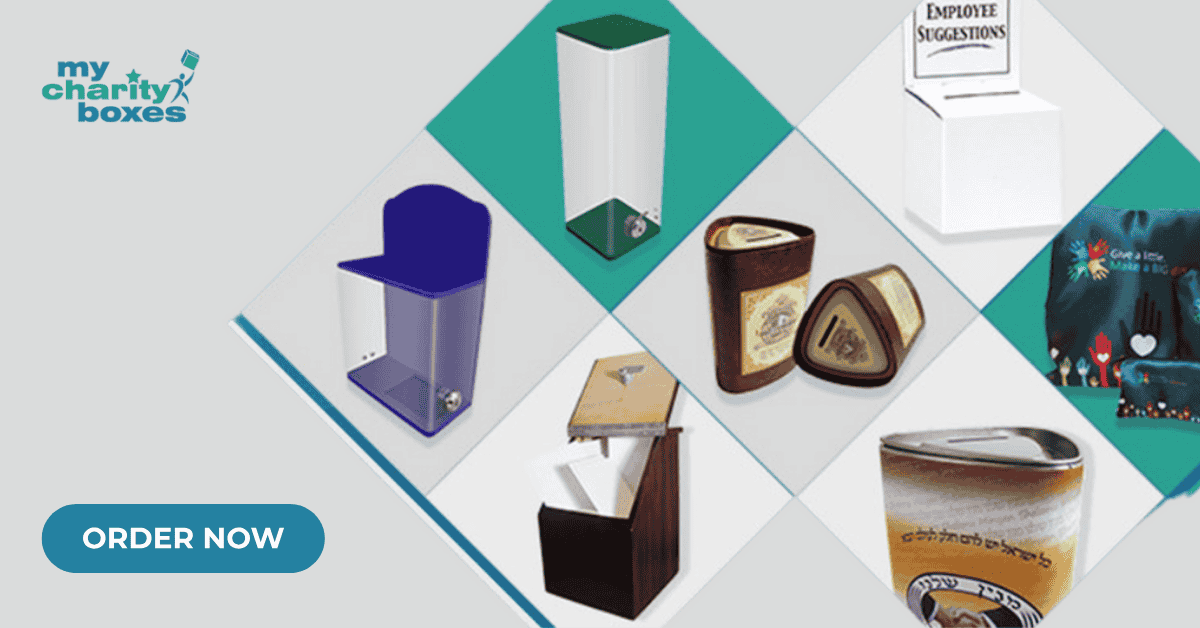
At My Charity Boxes, we curate both traditional and modern tzedakah boxes with equal respect.
Our collection includes:
-
Wooden, metal, acrylic, and lucite designs
-
Options for homes, synagogues, schools, and offices
-
Durable construction for daily use
-
Thoughtful customization options
We understand that design influences behavior. Our goal is to help every space support consistent, meaningful giving.
You can explore the full Tzedakah Boxes collection to compare styles side by side, or visit the Shop for ordering and customization details.
Conclusion
Choosing between modern and traditional tzedakah boxes is not a conflict.
It is a reflection of how values live in space.
Both styles honor the same mitzvah.
Both encourage generosity.
The best choice is the one that fits your environment, habits, and sense of connection.
Compare modern and traditional tzedakah boxes and find the perfect fit for your home or community.
FAQ
What is the difference between modern and traditional tzedakah boxes?
Traditional boxes emphasize heritage and symbolism. Modern boxes focus on visibility and contemporary design.
Are acrylic tzedakah boxes acceptable in Jewish homes?
Yes. Material does not affect the mitzvah. Intention matters most.
Which material lasts the longest?
Metal and thick acrylic provide the highest durability.
What tzedakah box style works best as a gift?
Both styles work well when personalized. Choose based on the recipient’s taste.
Can I personalize a modern or traditional tzedakah box?
Yes. Both styles can be customized with names, messages, or dedications.